
How HabitPath Tracks Both Simple and Countable Habits - A Complete Breakdown of the + System
02 Dec 25, 00:00
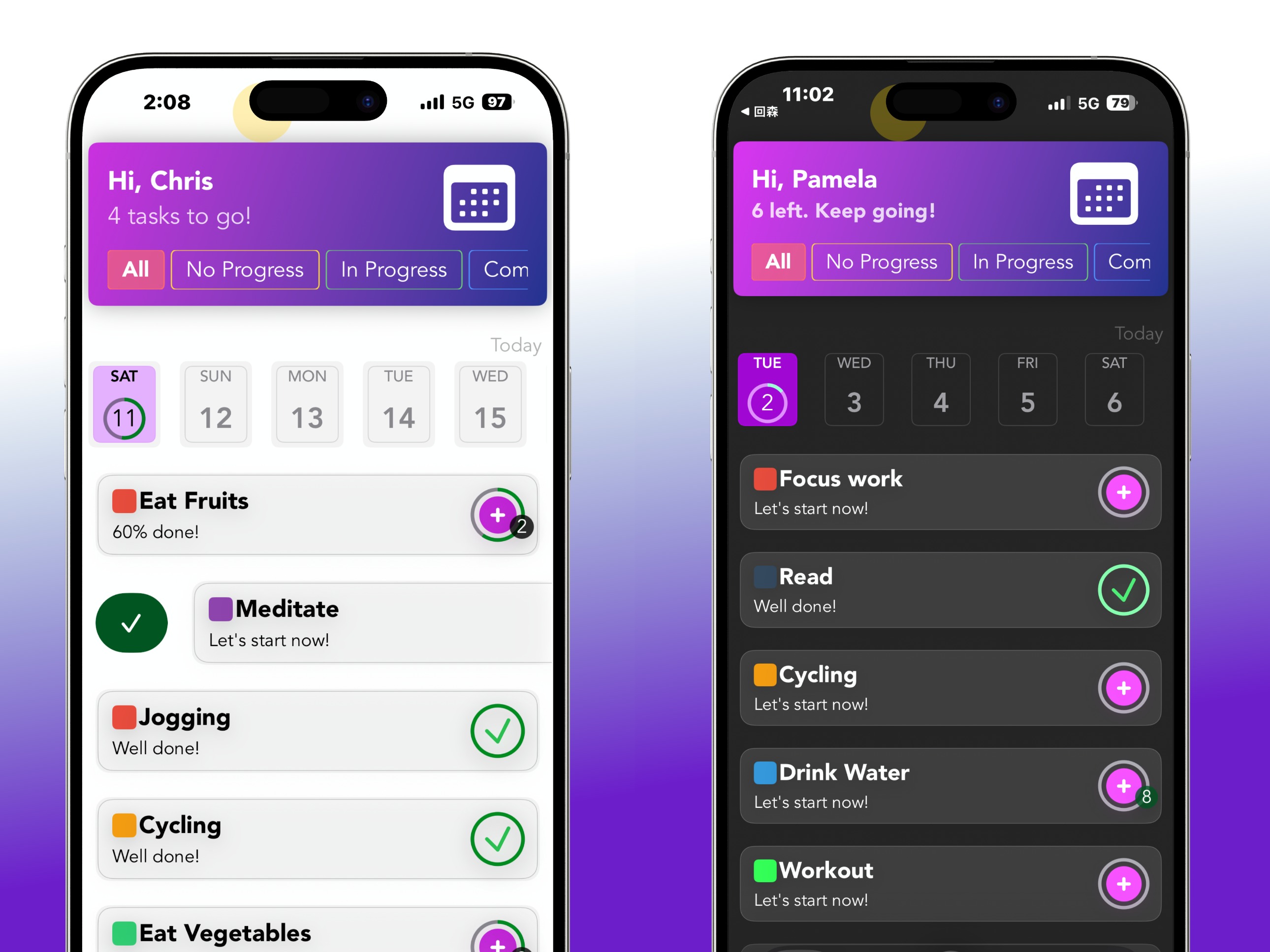
Habit tracking has evolved from simple checkbox lists to intelligent systems that adapt to how users actually form and maintain habits. HabitPath introduces a dual-mode + system designed to handle both simple and countable habits, making habit formation more intuitive, engaging, and psychologically rewarding. In this post, we’ll explore how this system works, why it’s effective, and how it supports long-term consistency.
Understanding Habit Types: Simple vs Countable
Not all habits are created equal. Some habits, like meditation for 10 minutes or reading one chapter, are binary: either you complete them or you don’t. Others, like drinking 8 glasses of water, drink 2 cups of tea, or floss 2 times a day, are countable and require tracking multiple sub-goals within a single habit.
HabitPath separates these two types of habits, ensuring that the app experience aligns with how the brain perceives progress:
-
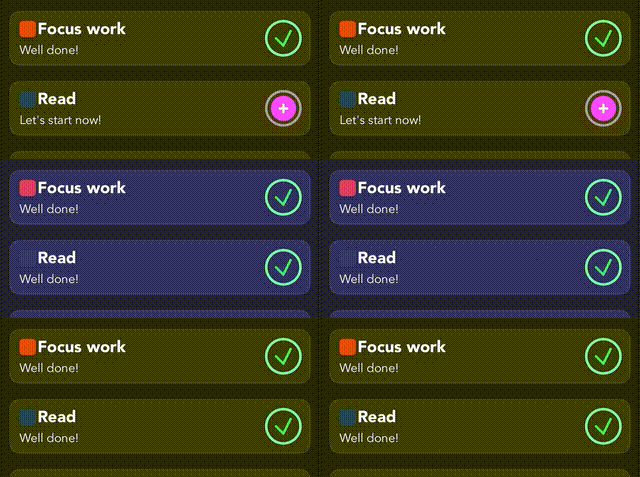
Simple Habits: One-time completion tasks where a single action fulfills the goal. For example, as shown in the animated GIF below, reading is a simple habit—you just tap the + button once to complete it.
-
Countable Habits: Multi-step goals that require incremental tracking until the total target is reached. For example, as shown in the animated GIF below, a countable habit like flossing 2 times a day allows you to tap the + button once, updating the counter to show one remaining flossing
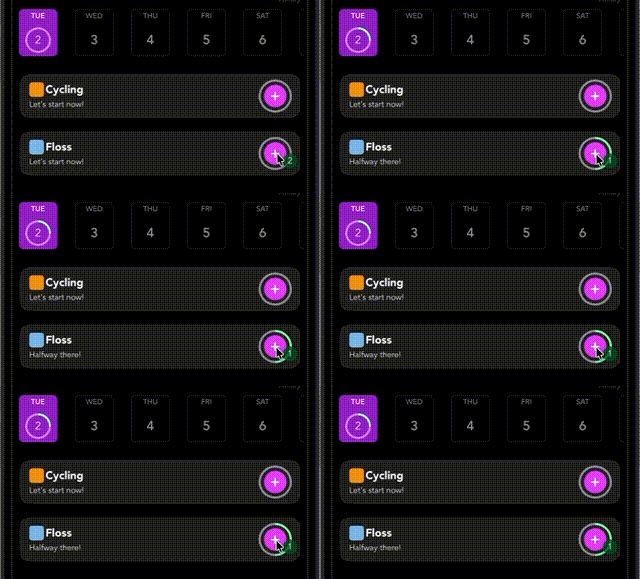
By differentiating between these two, HabitPath allows users to visualize their progress in ways that feel natural and motivating.
How the + System Works
The + system is the core UX element of HabitPath, designed to make habit tracking both simple and satisfying. It functions in two key ways depending on the habit type.
1. Non-Countable Habits (Simple)
For simple habits, users can either:
- Press the + button to complete the task in one action.
- Swipe right across the habit row to mark it as done instantly.
This flexibility caters to personal preference and situational convenience. Users can choose the one-tap method or the gesture-based swipe completion. Both actions provide immediate feedback and a sense of accomplishment, which helps reinforce the habit loop.
2. Countable Habits
Countable habits include a numerical target, such as drinking 2 cups of tea or completing 5 sets of exercises. Here’s how HabitPath handles them:
- Each habit displays a + button with a number below it indicating remaining actions. For example, a "Drink Tea" habit shows +2 if 2 cups are left.
- Users tap the + button for each individual completion. Every tap reduces the counter, providing visible progress.
- Alternatively, users can swipe right to complete the entire task in one gesture if they meet all sub-goals at once.
As shown in the animated GIF below.

This dual approach ensures users feel momentum from incremental progress while still having a convenient option to finish the task quickly when appropriate.
The Psychology Behind the + System
HabitPath’s + system is rooted in behavioral science. The design leverages:
- Micro-progress reinforcement: Each tap or swipe provides immediate feedback, releasing a small dopamine hit and reinforcing consistency.
- Visual progress tracking: Seeing numbers decrease or a habit row swipe into completion offers tangible evidence of accomplishment.
- Flexibility and autonomy: Users choose their preferred method for completing tasks, increasing engagement and reducing friction.
- Streak and reward loops: Completing habits regularly encourages habit stacking and long-term commitment.
By combining these elements, HabitPath ensures users experience both motivation through incremental wins and satisfaction through completion, which is essential for sustaining habits over time.
Practical Examples
Here’s how a user might interact with the + system throughout a day:
- Exercise 30 minutes (Simple): Tap + after finishing, or swipe right to complete.
- Drink Water 8 glasses (Countable): Tap + eight times throughout the day as you drink, or swipe right if you complete all eight at once.
- Read 20 pages (Countable): Each tap reduces the remaining pages counter, providing a clear visual of progress.
The combination of incremental tracking and gesture-based completion accommodates real-life variability, keeping habit formation practical and psychologically rewarding.
Why This System Works Better Than Traditional Checkboxes
Traditional habit trackers often rely on a single checkbox or toggle for completion. While functional, they lack the nuance to handle partial progress and multiple sub-goals effectively. HabitPath’s + system solves these problems by:
- Supporting multi-step habits without cluttering the interface
- Allowing partial progress to feel meaningful, not all-or-nothing
- Reducing habit friction, since users can choose their preferred method of completion
- Encouraging consistency through visible micro-progress, which reinforces long-term behavior change
Final Thoughts
HabitPath’s + system represents a modern approach to habit tracking, bridging the gap between simplicity and complexity. By accommodating both simple and countable habits, offering flexible completion options, and leveraging behavioral psychology, the app helps users stay consistent and motivated. Whether you are tracking daily routines, fitness goals, or micro-actions toward personal growth, HabitPath’s + system ensures every habit counts—literally and figuratively.
Key Takeaways
- HabitPath separates simple and countable habits for optimized tracking.
- The + button and swipe completion system provides both micro-rewards and full completion satisfaction.
- Visual progress and flexibility enhance engagement and habit consistency.
- The system is rooted in behavioral psychology, making habit formation practical, motivating, and sustainable.